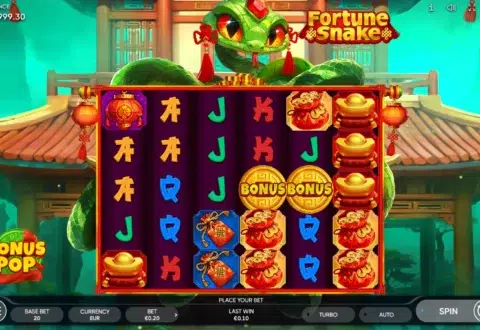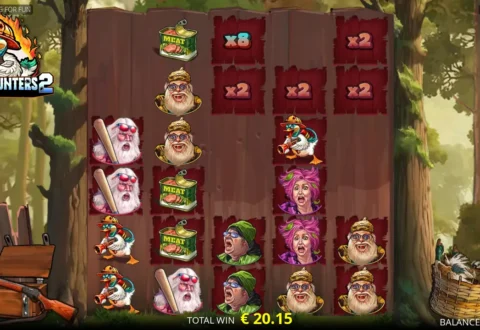
Cascading Reels
Cascading reels, tumbles, avalanches, reactions. These terms all point at the same underlying idea, which is part of what makes the naming confusing. There is no meaningful functional difference between a cascading reels game and a tumble game. The labels are developer and era conventions, not technical distinctions. Understanding what the feature actually does matters more than which name a particular studio chose to put in the paytable.
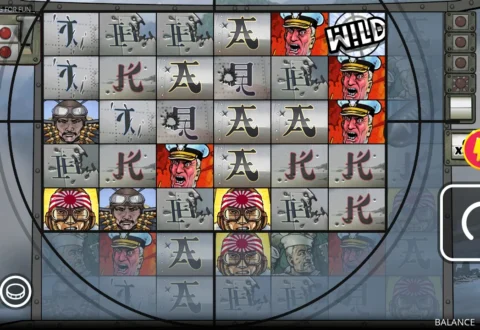
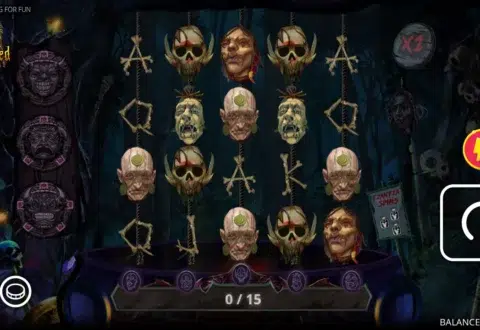
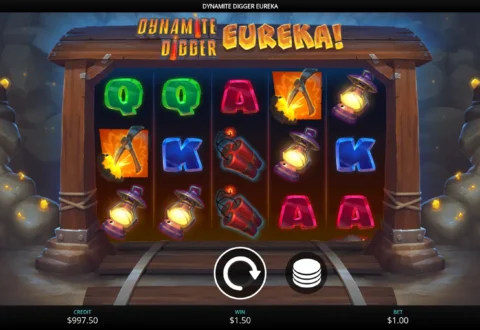
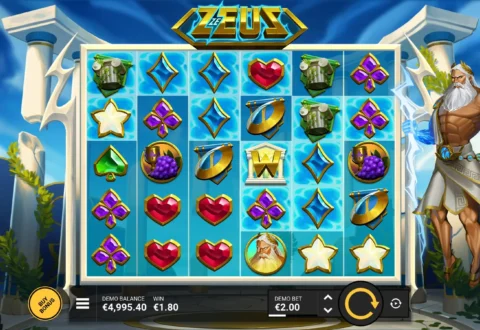
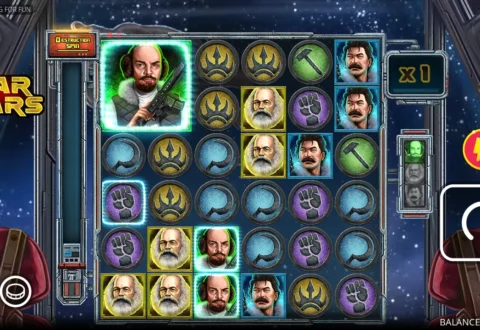
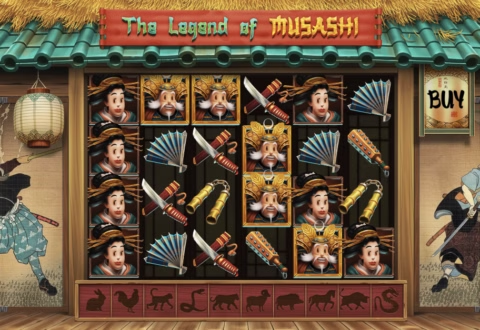
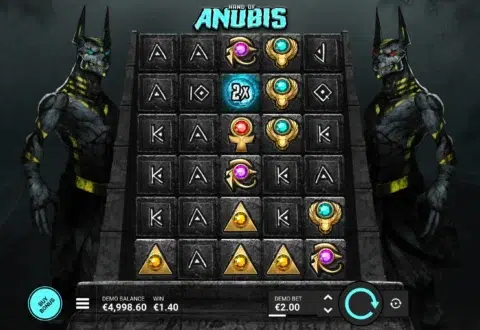
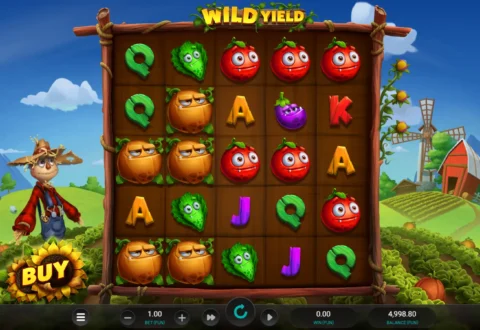
What every cascading reels game shares is the removal-and-replacement loop. Symbols involved in a win are cleared from the grid, the remaining symbols shift to fill the vacant positions, and new symbols drop in from above to complete the layout. If the refreshed grid contains a new winning combination, the process runs again. Each step pays individually, and the chain continues until a refresh produces no new win. The entire sequence costs one stake. Games built on this format frequently combine it with a multiplier that increases with each step in the chain, rewarding longer sequences proportionally.
Is there any practical difference between cascading reels and tumbles on this site?
The underlying feature is identical. The separation into two pages reflects how different developers label the same format. Some use cascading, some use tumbles, some use their own proprietary name entirely. If a game appears under cascading reels here but not tumbles, or vice versa, it’s a tagging distinction based on how the developer describes the feature, not a sign that the game works in a significantly different way.
Do cascading reels games always use a grid layout rather than traditional reels?
Not always, though the combination is common. The cascade format pairs naturally with grid-based scatter pays setups, and many of the most prominent cascade games use that structure. But traditional five-reel payline games can also use cascading wins, clearing matched payline symbols and dropping replacements in from the top of each reel. The cascade logic is independent of the grid shape it’s applied to.
Every cascading reels demo below loads free, no account needed.