Scatter Pays
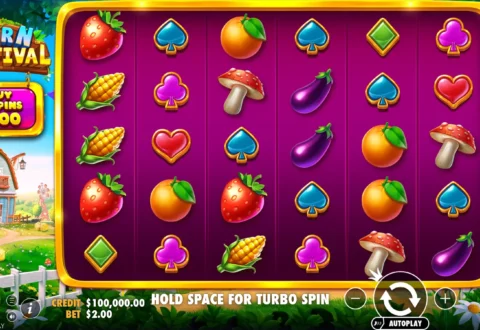
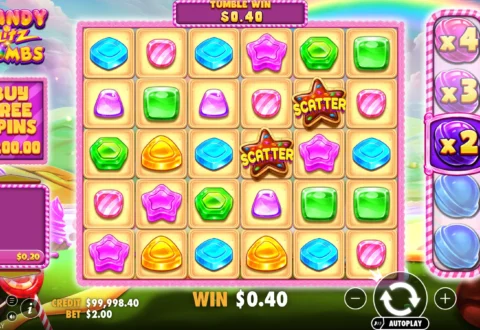
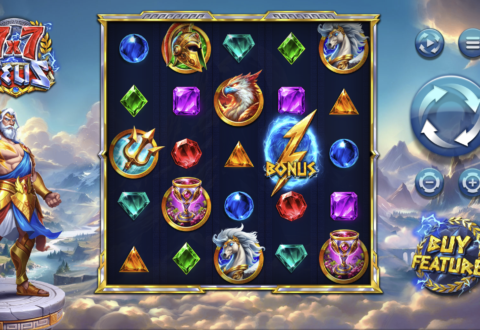
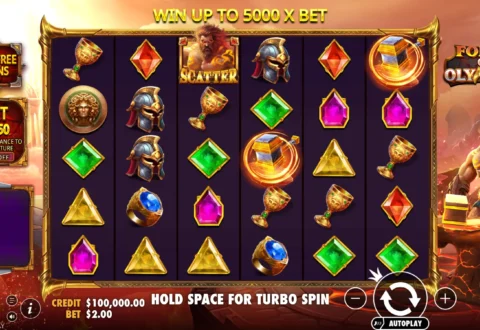
Payline slots have a fixed idea of what a win looks like. Matching symbols in a line, starting from the left reel. Scatter pays throws that out entirely. In a scatter pays game, wins are awarded based on how many matching symbols appear anywhere on the reels, with no requirement for adjacency, direction, or a specific starting reel. Eight matching symbols scattered across a 6×5 grid count just as much as eight in a neat row. Position is irrelevant, volume is everything.
The format is closely associated with cluster and tumble setups, where symbols fall from above, and matching groups disappear to make room for new ones. Rather than counting lines, the game counts instances. A win threshold is set, often five or eight matching symbols, and anything above that pays according to the paytable’s quantity-based scale. Because wins aren’t tied to directional lines, the entire grid becomes active space on every spin. This tends to produce more frequent, smaller wins than traditional payline formats, with larger clusters delivering proportionally larger returns.
Do scatter pays games still use wild symbols?
Yes, and wilds fit naturally into the format. In a scatter pays setup a wild still substitutes for regular symbols, but because position doesn’t dictate wins, a wild landing anywhere in a cluster contributes to the count rather than needing to land on a specific payline position. Many scatter pays titles also pair wilds with multipliers, which amplifies their impact when they land inside a winning cluster.
What’s the difference between scatter pays and scatter symbols?
They’re two separate things that share a word. A scatter symbol is a specific reel symbol that pays or triggers regardless of position, and is found across all kinds of slot formats including traditional payline games. Scatter pays is a win format that replaces paylines entirely, awarding wins based on how many matching symbols appear anywhere on the grid. A scatter pays game may or may not include a scatter symbol. The term describes how wins are calculated, not which symbols appear on the reels.
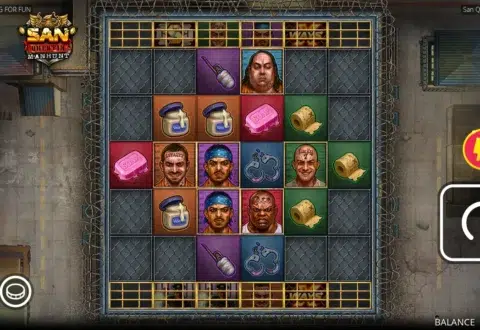
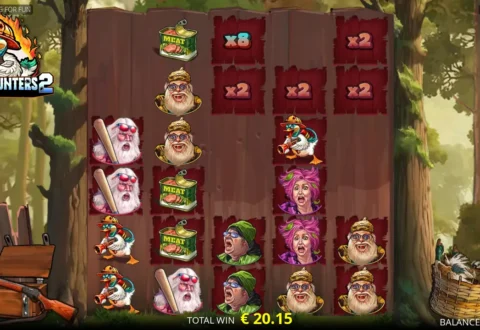
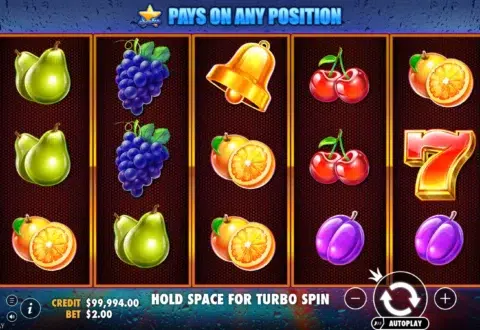
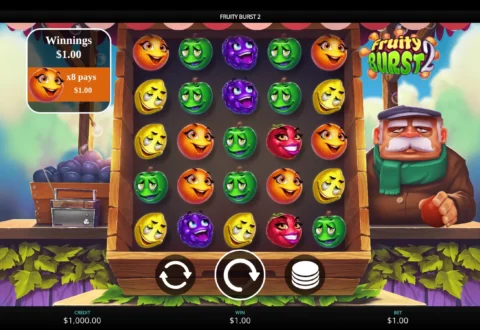
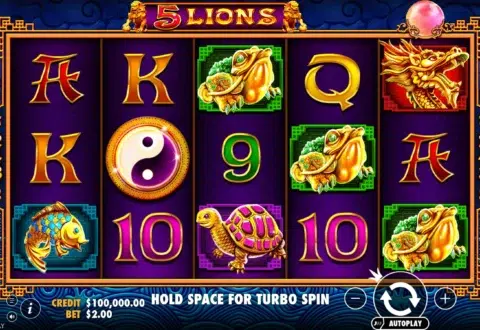
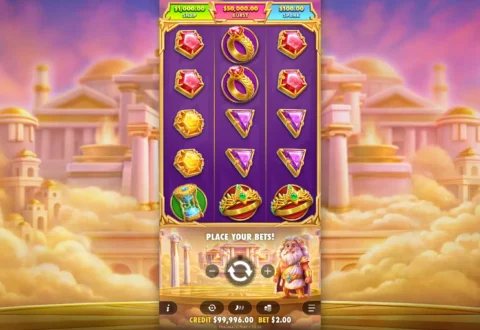
Every scatter pays demo below loads free, no account required.







 🔥 Hot
🔥 Hot 




 New
New