Wild Symbol
Every slot has its own symbol hierarchy, but the wild sits outside it. Rather than holding a fixed value, it steps in wherever it’s needed, standing in for whichever regular symbol makes a win possible. At its most basic, that’s a simple substitution. But the wild is also one of the most heavily engineered features in slot design, and how a game deploys it tells you a lot about what the developer was going for.
In its standard form, a wild substitutes for all regular paying symbols on the reels, helping bridge incomplete combinations across a payline. Most games restrict it from replacing scatter symbols or bonus triggers, which have their own separate role.
Beyond the standard version, wilds appear in several distinct configurations. Expanding wilds grow to cover an entire reel when they land. Sticky wilds hold their position across one or more follow-up spins. Multiplier wilds add a value boost to any win they complete. Walking wilds shift one position per spin rather than staying fixed. Many modern titles layer two or three of these behaviours into a single symbol.
Can a wild substitute for a scatter symbol?
Generally no. Scatter symbols trigger bonus rounds or free spins independently of paylines, so wilds cannot replace them in the vast majority of games. The exceptions exist but are rare enough that it’s worth checking the paytable of any specific title if this matters for how you want to explore the demo.
Is a game with wilds automatically more volatile than one without?
Not as a rule. Plain substituting wilds have a modest effect on hit frequency and don’t dramatically shift session shape on their own. It’s the type of wild that drives volatility. A game with expanding multiplier wilds locked behind a bonus will behave very differently from a game where plain wilds land regularly in standard play, even if both are technically “wild symbol” games.
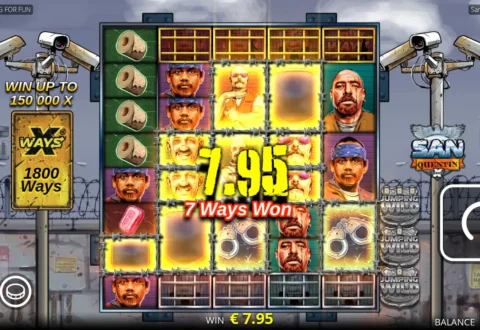
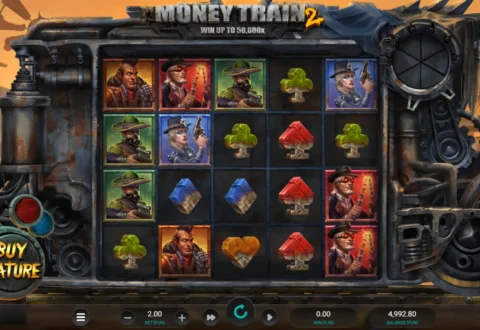
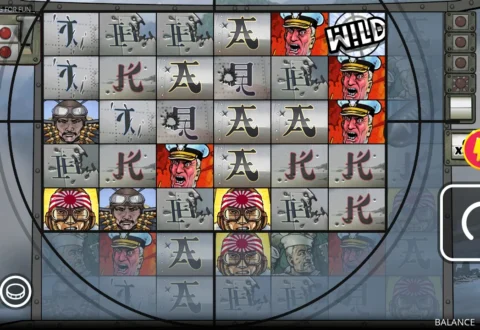
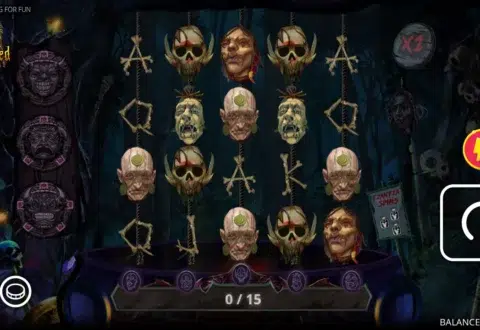
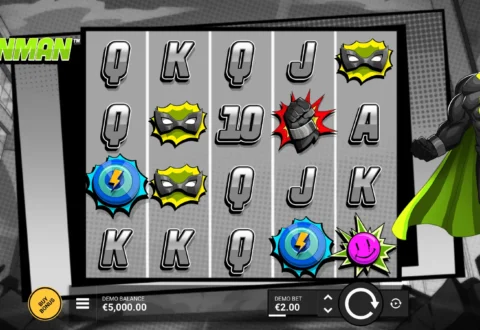
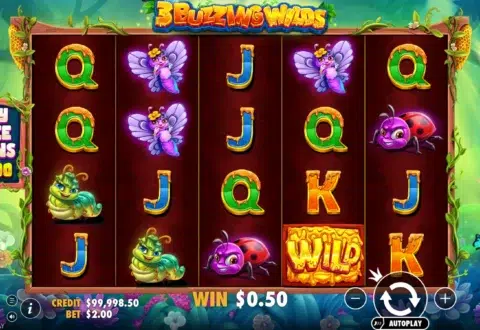
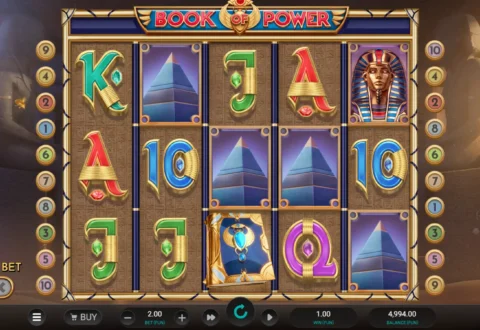
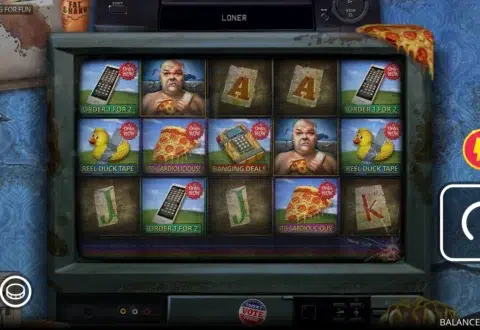
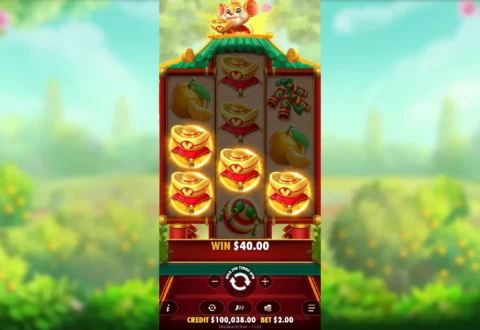
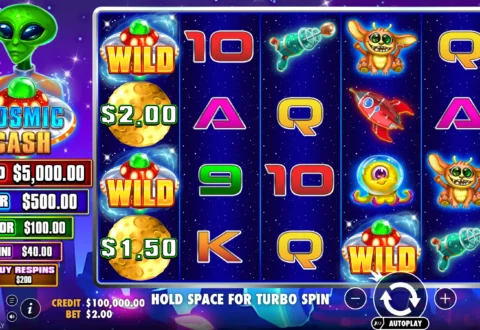
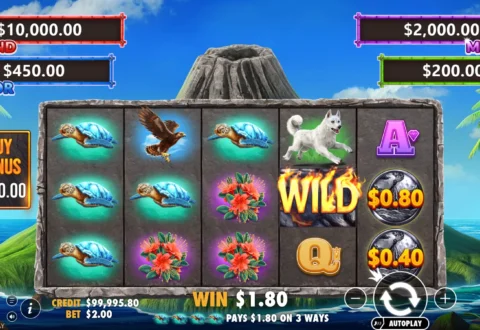
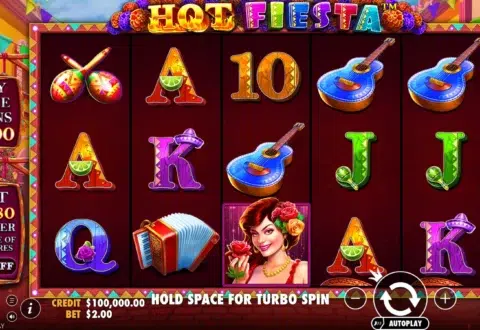
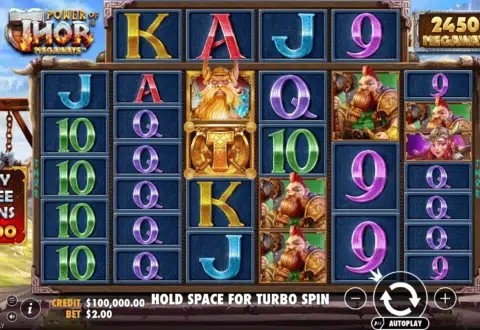
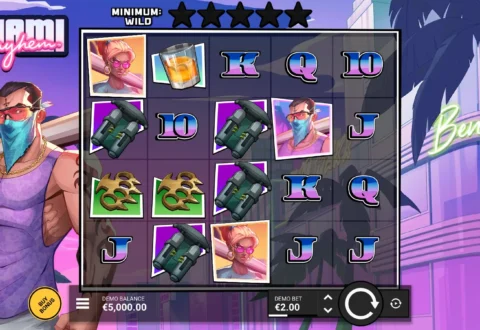
If you are looking to test wild symbols in various slot games, all titles below are available to play in free demo mode, at no cost!