High Volatility
High volatility slots pay out less often, but the wins they do land tend to be bigger. Much of a game’s return sits in the bonus round, so regular spins can go quiet for long stretches before a feature changes the picture. Every game below is a free demo, so you can feel that rhythm without staking anything.





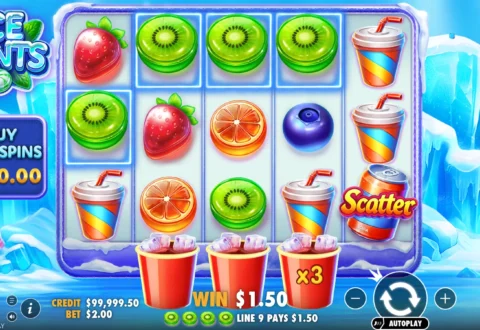


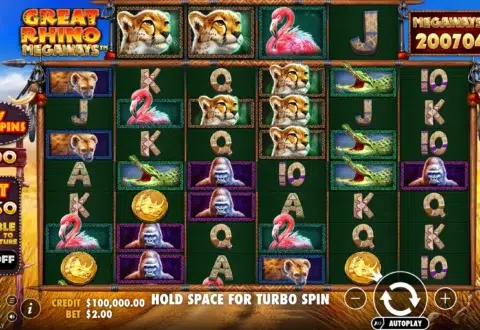








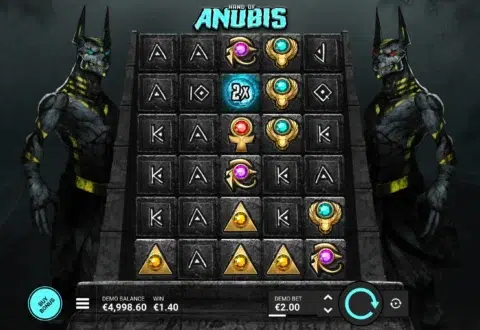
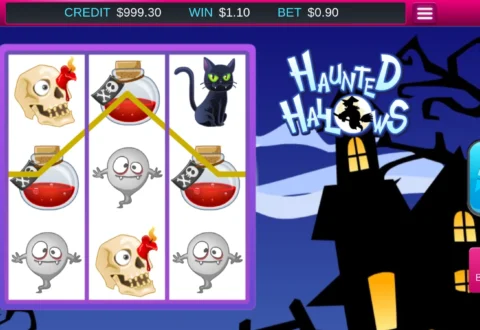


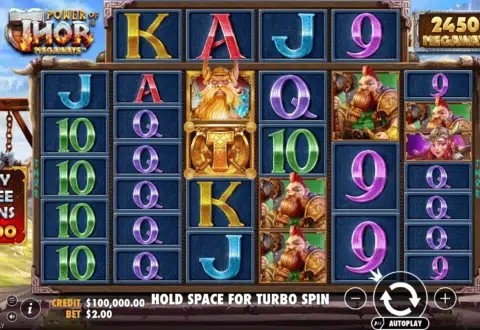


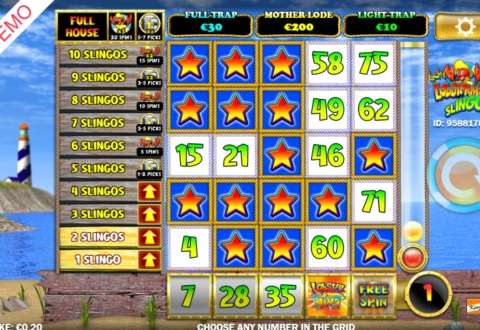


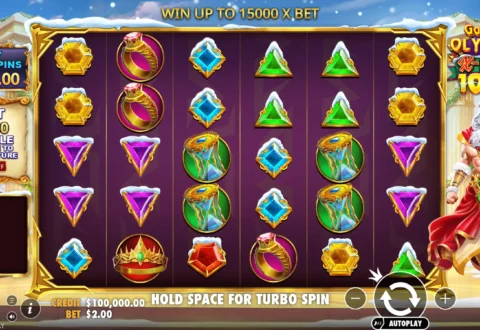


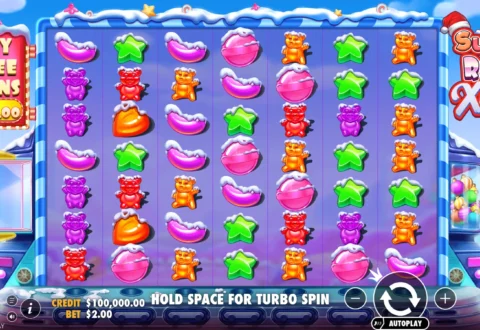








What does high volatility mean in slots?
Volatility, sometimes called variance, describes how a slot spreads its returns, not how much it returns overall. A low volatility game pays small amounts often. A high volatility game saves more of its value for rarer, larger events, usually inside free spins or a bonus game. Over one session that difference is huge. Over millions of spins, two games with the same RTP pay back the same percentage.
Studios set the rating themselves, and we record the one shown in each game’s rules. Where a studio uses an in-between label such as medium-high, the game appears on both neighbouring pages.
What our library shows about volatility
Lining up the ratings across every demo on the site makes the trade-off easy to see. The typical top prize climbs steeply as volatility rises, while the typical RTP barely moves.
| Volatility | Typical max win | Typical RTP | Offer a bonus buy |
|---|---|---|---|
| Low | around 750x | about 96% | about 1 in 10 |
| Medium | around 5,000x | about 96% | about 4 in 10 |
| High | around 10,000x | about 96% | about 2 in 3 |
| Very high | around 15,000x | about 96% | about 9 in 10 |
“Typical” means the median for each band on this site, so a handful of enormous caps don’t skew it. Two things stand out. A high volatility rating is about the ceiling and the swings, not about paying back less. And most high volatility releases now offer a way to skip to the bonus, because that’s where the game’s value lives.
High volatility vs low volatility slots
On a low volatility slot, a balance tends to drift up and down gently, with frequent small wins keeping it ticking over. On a high volatility slot, expect long runs of small or no wins, then occasional spikes when a bonus lands well. Neither is better. Low volatility suits longer, steadier sessions. High volatility is for chasing a big feature and accept that most sessions won’t deliver one. For something in between, try medium volatility slots, or go the other way with low volatility.
High volatility slots worth trying
- Tombstone R.I.P from Nolimit City has the highest cap on the site, at 300,000x.
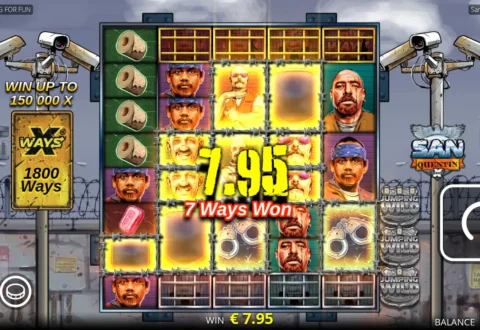
- San Quentin, also from Nolimit City, hides a 150,000x ceiling behind an unassuming 5×3 layout with 243 ways.
- Money Train 3 from Relax Gaming is built around its Money Cart respins bonus and tops out at 100,000x.
- Buffalo King from Pragmatic Play runs 4,096 ways across six reels, with a 93,750x top prize.
- Extra Juicy keeps things simple, a Pragmatic Play fruit game on 10 lines that still reaches 60,000x.
- Book of Dead, the Play’n GO classic, set the template for expanding-symbol free spins and has a 5,000x ceiling.
For the far end of the scale, see very high volatility slots.
Is high volatility good?
It depends what you want from a session. High volatility is good for chasing a big bonus and bad for making a balance last. In real-money play, long losing runs are normal on these games, so it’s worth trying one in demo first to see how often the bonus actually lands and how long the gaps feel. That’s exactly what these demos are for.