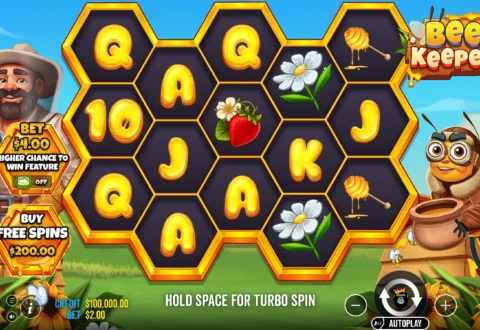
10 Paylines
Ten paylines is a modest count by modern standards, but payline number and game quality have no relationship. Some of the most enduring slot titles in the UK market run on 10 lines. Eye of Horus, Fishin’ Frenzy, Big Bass Splash. Their staying power has nothing to do with line count.
Ten paylines means ten defined paths across the reels along which matching symbols can form a win. That’s a clean, readable structure, and for a lot of players that clarity is exactly what they’re looking for.
In a 10-payline game, wins form when matching symbols land on consecutive reels from left to right along one of those defined paths. Each payline is a fixed route across the five reels, and only combinations that follow those routes pay. The stake is divided across all active lines, so the cost per spin and the value of each line win are directly tied to the total bet. Most 10-payline titles keep all lines active at all times, with the stake slider adjusting the total bet rather than the number of active lines.
Does fewer paylines mean the game pays out less often?
No. Hit frequency is determined by the game’s maths model, not the number of paylines. A 10-payline game and a 20-payline game at the same stake can have identical hit rates. The line count just changes how many simultaneous paths are checked on each spin. What changes with payline count is how wins distribute across the grid, not how often the game produces a return overall.
Are all 10 paylines always active or can some be turned off?
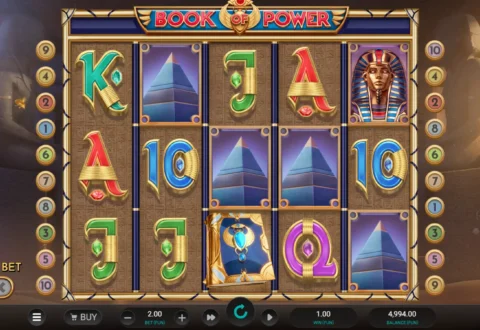
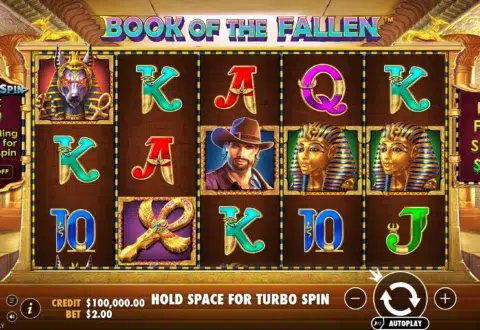
In the games listed below, all 10 lines are fixed and always active. Adjustable payline games, where players could select how many lines to play, were more common in an earlier era of slot design. The current convention across most titles is fixed lines with a variable stake, which keeps the game’s maths consistent and prevents players from inadvertently reducing their coverage without realising it.
Prefer a different line count? Browse single payline, 5 payline, 15 payline, or 20 payline slots.





















 New
New